Advices
Self-storage containers
A Container for Personal Use – Self Storage Step by Step
Self Storage Container – What It Is and How the Service Works
Self storage is a service that allows you to store your belongings in external storage units on a site—essentially a deposit in shipping containers. In recent years, self storage services have been gaining popularity in Poland. They are used by both private individuals and businesses that need extra space to store their items. A container for personal use is a convenient, secure, and flexible solution that allows you to store your belongings without renting a warehouse or a larger premises. So how exactly does self storage work? Below, we outline the entire process step by step.
Self storage involves renting a specially prepared storage space—usually in the form of a container, locker, or storage unit—for self-service storage. The client decides what, when, and for how long to store items, typically with access to the rented space available 24/7.
Why Choose Self Storage Instead of a Traditional Warehouse?
Traditional warehouses are generally larger, which makes their rental cost quite high, and part of the space often goes unused. Self storage units are smaller, roughly the size of a shipping container, so the rental cost is significantly lower than a traditional warehouse. Traditional warehouse agreements are usually long-term, and access is often limited to business hours. In contrast, self storage offers flexible rental agreements (even as short as one month) with 24/7 access.
Additionally, changing the size of the rental space in a traditional warehouse is not easy, whereas in self storage, switching to a smaller or larger unit—or renting an additional unit—is straightforward. Traditional warehouses, due to their size, are often located on the outskirts of cities as part of industrial complexes. Self storage units are much smaller, so they can be located in cities, even near residential areas, making them convenient for individual clients.
Who Can Benefit from a Container for Personal Use?
Self storage containers are useful in many situations. They are most often used by:
People in the process of moving or renovating,
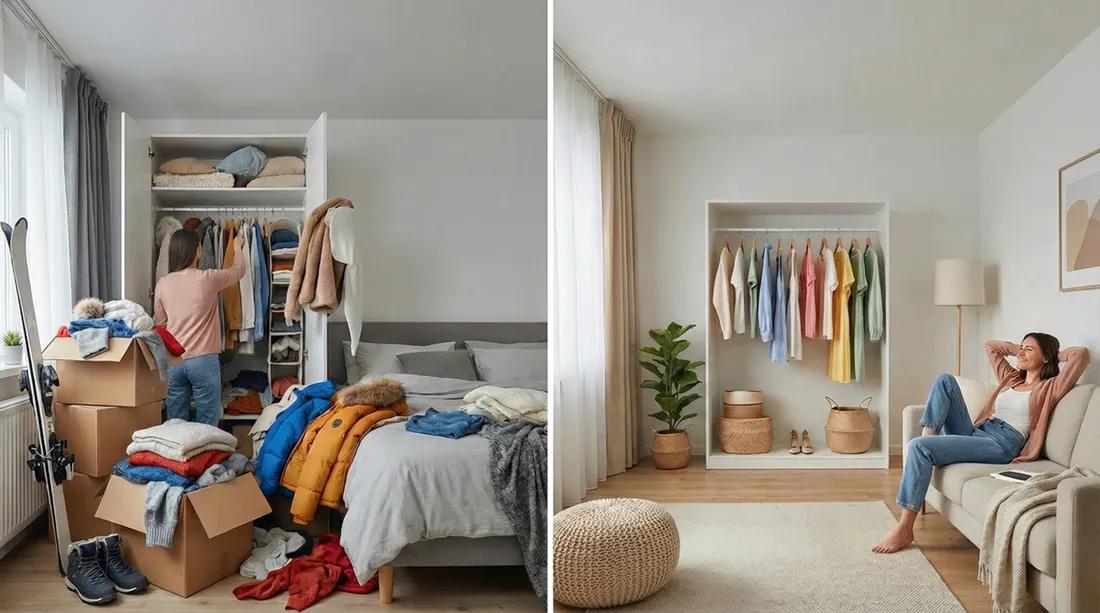
Residents of small apartments needing extra space,
Entrepreneurs,
Seasonal businesses,
People storing seasonal items.
Thanks to flexible rental terms, storage containers can be tailored to individual needs.
What Can Be Stored in Self Storage Units?
Many types of items can be stored in self storage containers. Individual clients often store:
Furniture during renovations, moves, or before finding a new home,
Seasonal clothing—boots, winter jackets, suits, and dresses,
Family keepsakes that no longer fit at home,
Household appliances—electronics, seasonal decorations (e.g., Christmas),
Seasonal sports equipment—bikes, scooters, sleds, skis, camping gear, or fitness equipment,
Garden furniture and tools,
Hobby-related items—musical instruments, books, old records.
Businesses also use self storage to store:
Documents and archives that need to be kept for several years but no longer fit in the office,
Excess goods for e-commerce or online stores,
Tools and building materials for construction or renovation companies,
Event equipment—tables, chairs, stands, display walls, or roll-ups.
Self Storage Step by Step
Step 1 – Determine Your Needs
Start by deciding what and for how long you want to store items. Consider these questions:
What items will be stored?
How much space will they occupy?
How long will you need to store them (short-term or long-term)?
This will make it easier to choose the right container size while optimizing rental costs.
Step 2 – Choose the Right Container
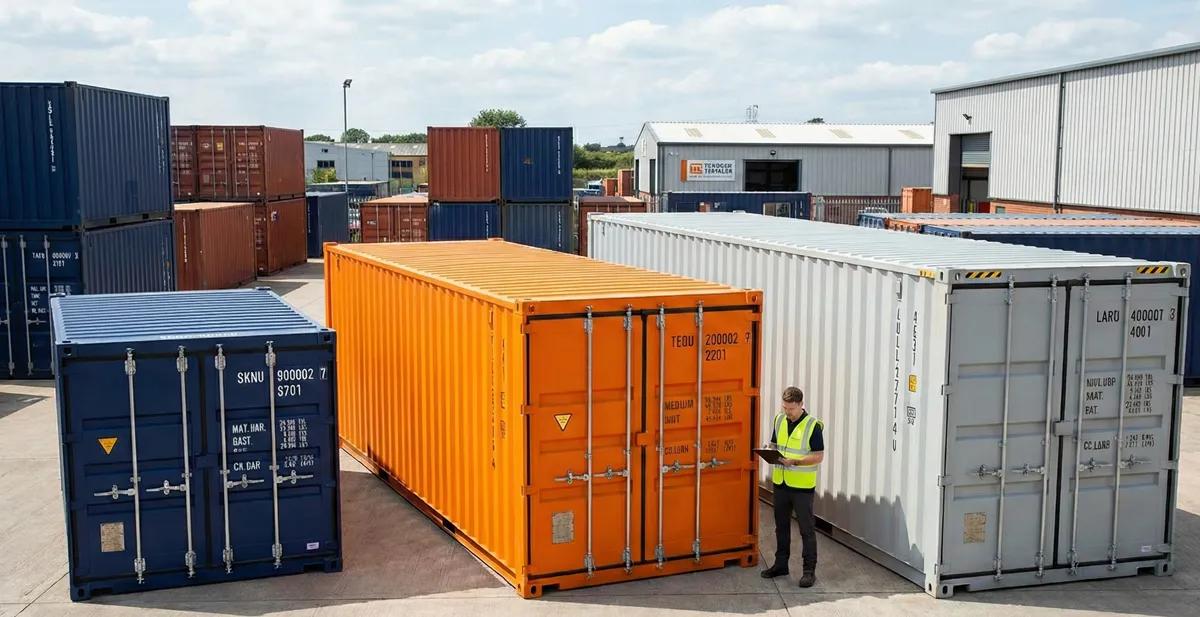
Self storage units are usually 20’ or 40’ containers, approximately 6m and 12m in length. Some containers are modified and divided into smaller storage spaces, which can replace a storage locker at a more affordable price. Before renting, check the dimensions to ensure your items will fit.
The size of the unit often depends on the rental period. For seasonal storage of items for a month—like furniture during a renovation—a smaller unit is sufficient. For long-term storage, where you may frequently add items, a larger space is preferable.
Step 3 – Sign the Agreement
Renting a container is simple and quick with flexible rental terms. You can complete all steps via the rental panel on ecobox24.com to rent a unit from your chosen start date. After signing the agreement, the client gains access to the container.
Step 4 – Prepare and Transport Your Items
Before moving items into the container, secure them properly using boxes, bubble wrap, or covers. This protects your belongings and makes storage easier.
Step 5 – Access and Use the Container
One of the biggest advantages of self storage is free access. Clients can visit their container 24/7, adding or removing items as needed. Each container is secured with a personal lock for privacy and security. The sites are also monitored or staffed with security personnel.
Step 6 – End of Rental
When the container is no longer needed, simply empty it and terminate the agreement according to its terms. With no long notice periods or complicated procedures, self storage is extremely flexible.
A container for personal use is a practical solution for anyone needing extra storage space. Self storage is straightforward and transparent—from choosing a container and convenient usage to quickly ending the rental. It’s an ideal option during moves, renovations, business operations, or whenever space is limited at home or in the office.