Advices
Self-storage containers
How to choose the optimal self-storage unit size?
Choosing the right warehouse size is one of the most important decisions that directly affects your finances – both in e-commerce business and in the household budget. Renting a box that is too large is simply paying for unused "empty air." On the other hand, a space that is too small makes convenient access to items difficult and may lead to their accidental damage when trying to fit everything in by force. The key to success is flexibility; therefore, the precise adjustment of the storage container size to the amount of your belongings is the foundation of wise and safe planning.
Purpose and versatility: What to store in modern warehouses?
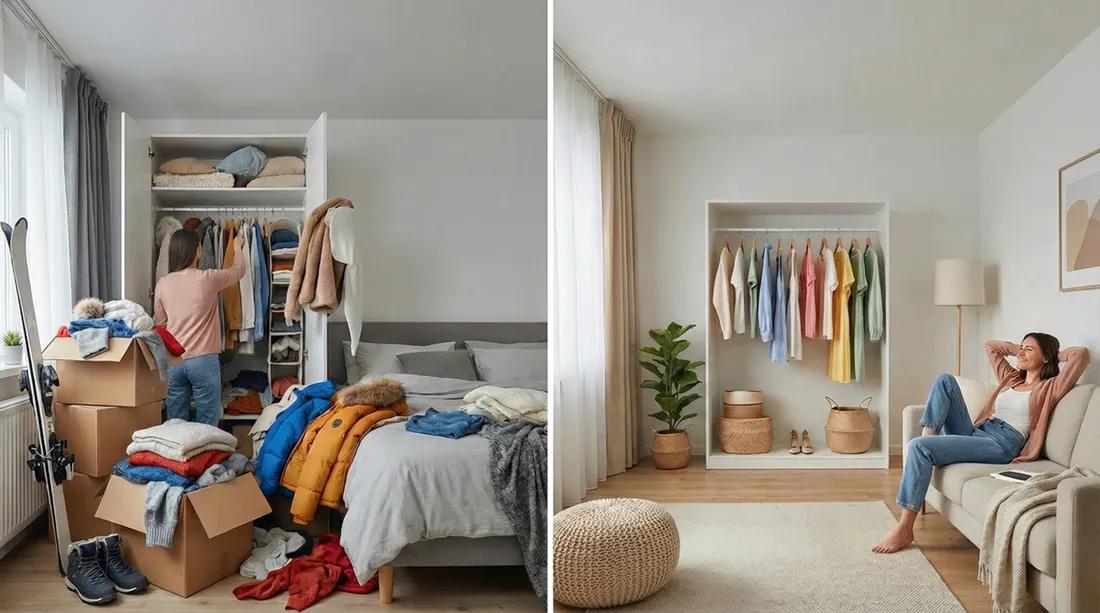
Self-storage warehouses are a "tailor-made" solution for two main groups of recipients. Private customers most often use this space as external storage units for storing seasonal items (skis, bicycles, garden furniture), home equipment during renovations, or property during moves. In turn, for the business sector, containers serve as micro-logistics centers. They are an ideal place for storing goods for e-commerce and professional construction equipment.
Technical specification of typical warehouse sizes in containers
The table below presents the standard technical parameters of boxes and containers used in self-storage yards, facilitating adjustment to specific demand:
Warehouse Type | Area (m²) | Volume (m³) | Capacity | Purpose |
Unit 3 m² | approx. 3,5 m² | approx. 8,5 m³ | 2-3 pcs. | Furniture, tires, |
Unit 6 m² | approx. 7,0 m² | approx. 17 m³ | 4-5 pcs. | Small e-commerce, |
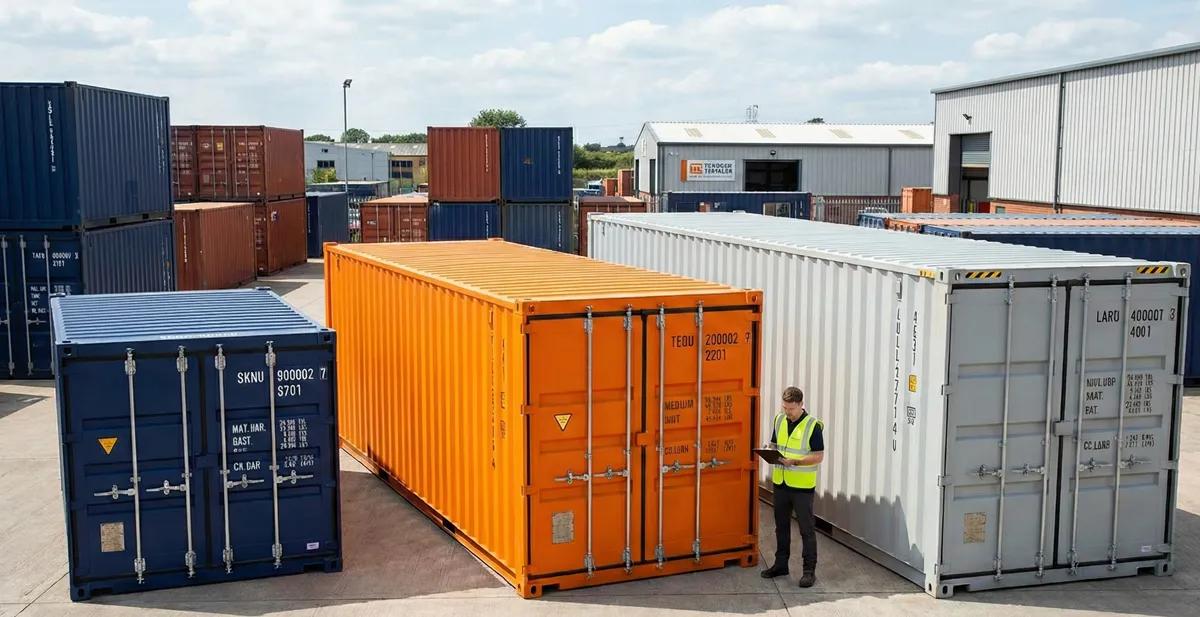
Container 20' | 13,8 m² | 33,2 m³ | 11 pcs. | Equipment of a larger house, |
What is more cost-effective: 6 m2 unit vs. 20' container (13 m2)?
The choice between a smaller warehouse (6 m2) and a large container (13.8 m2) is the most common dilemma for e-commerce customers and private individuals. Below we present a comparison of these two solutions:
1. Unit 6 m2 (Standard "M medium")
This is an optimal solution for small online stores and private individuals. It offers a volume of approx. 17 m3, which replaces a large storage locker, and in practice allows for the safe storage of the equipment of a larger apartment or approx. 100–120 standard moving boxes.
- Advantage: Best price-to-area ratio when storing smaller property.
- Limitations: Small capacity may be insufficient for the e-commerce industry or small companies.
2. 20' DC Container (13.8 m2 – "L large")
It is most frequently chosen in the self-storage industry by entrepreneurs. Equipped with a floor made of 28 mm thick plywood, it offers the possibility of loading a large amount of goods, making it suitable for companies.
- Advantage: Wide, double-wing container doors (width approx. 2.34 m) enable the entry of larger dimensions, which is crucial for construction and distribution companies, as well as the furnishing of a large single-family house.
- Limitations: Due to the significant depth (approx. 6 meters), access to items placed deep inside requires careful planning of the goods' arrangement, so as not to create overloads at a single point.
Legal aspects and safety standards
When renting a self-storage unit, attention should be paid to the facility's compliance with ISO standards and Health and Safety (BHP) regulations.
- Permits: Storing in containers at self-storage yards does not require the customer to obtain a building permit – the service is based on a short-term space lease agreement.
- Storage restrictions: For safety reasons, it is prohibited to store flammable substances, toxic substances, and living organisms. Food and sensitive products such as documents are also not recommended, as humidity inside may increase at high temperatures and affect the quality of stored items.
- Ventilation: Containers have gravity ventilation systems preventing water vapor condensation (dew point), which protects electronics and textiles from degradation – however, atmospheric conditions occasionally occur that cause the dew point to be exceeded, and moisture or condensation may appear in the container; therefore, proper storage is important.
How, then, to avoid overpaying and choose the ideal warehouse?
Before signing the contract, we recommend performing a volume inventory:
- Sum up the dimensions of the largest items.
- Fill the space vertically, placing heavier items at the bottom.
- Leave 10% of free space as a "traffic aisle" if you plan frequent turnover of goods.
- Keep a reserve for additional equipment at any time.
The precise adjustment of a self-storage warehouse is the foundation for cost optimization and the safety of stored property. Regardless of the chosen lease model, it is worth opting for solutions that meet the highest technical standards, which are able to flexibly respond to the needs of the dynamic entrepreneurial sector and the requirements of individual customers. An in-depth analysis of the quantity of stored items and goods before starting storage allows for the selection of a space perfectly tailored to specific private, operational, and logistical needs.